
How Street Art Turns a Hotel’s Problem Spaces Into A Neighborhood Destination
Street art is one of the most powerful ways an urban community expresses itself. A great mural stops people mid-stride, sparks conversation, and becomes a landmark locals claim as their own. It is culture made visible in the places people move through every day.
Every hotel has edges: loading docks, utility walls, blank facades that face the street and serve no one. Most projects treat these spaces as problems to manage — screened off, painted over, quietly tolerated. We approach them differently. These surfaces are what the neighborhood sees every single day, and ignoring them is a missed opportunity. The more interesting question is what happens when you stop treating a problem like a problem at all.
At W Nashville, we identified two of those opportunities.
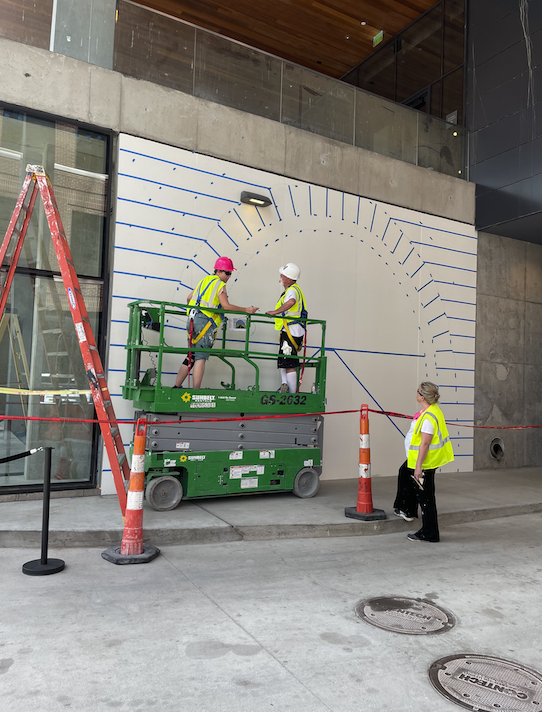
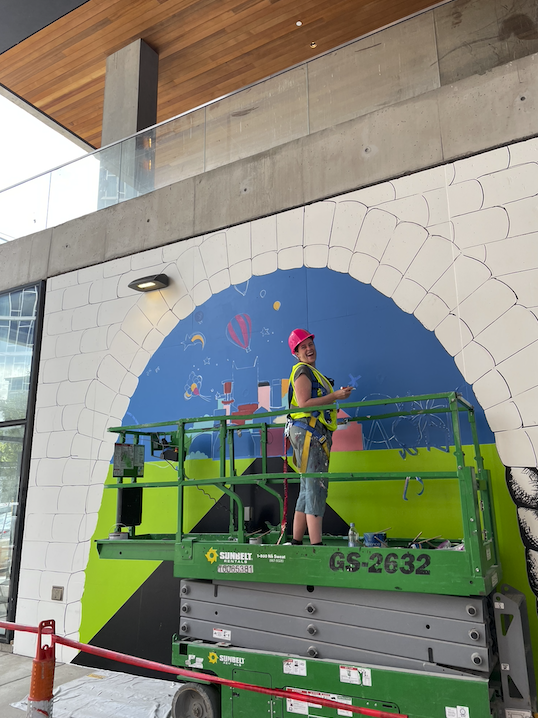
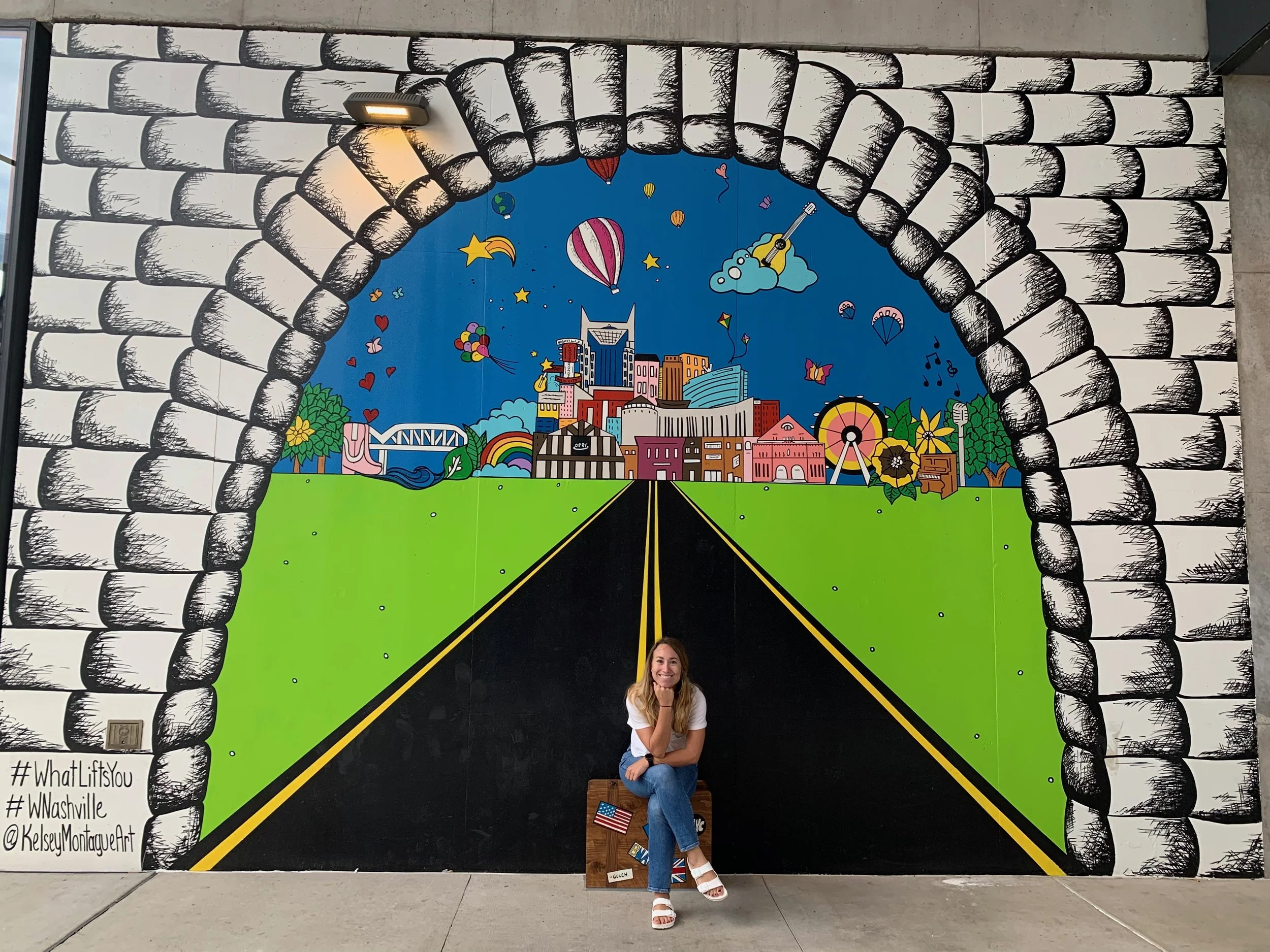
The first was a street-facing loading dock, typically one of the least glamorous features of any hotel. Rather than attempting to conceal it, we partnered with Kelsey Montague, the Nashville-rooted artist whose work has become recognizable around the world. Her mural transformed the wall into something guests and locals actively sought out — featured on street art tours, shared widely across social media, and woven into the daily rhythm of the neighborhood by people who may never step inside the hotel itself.
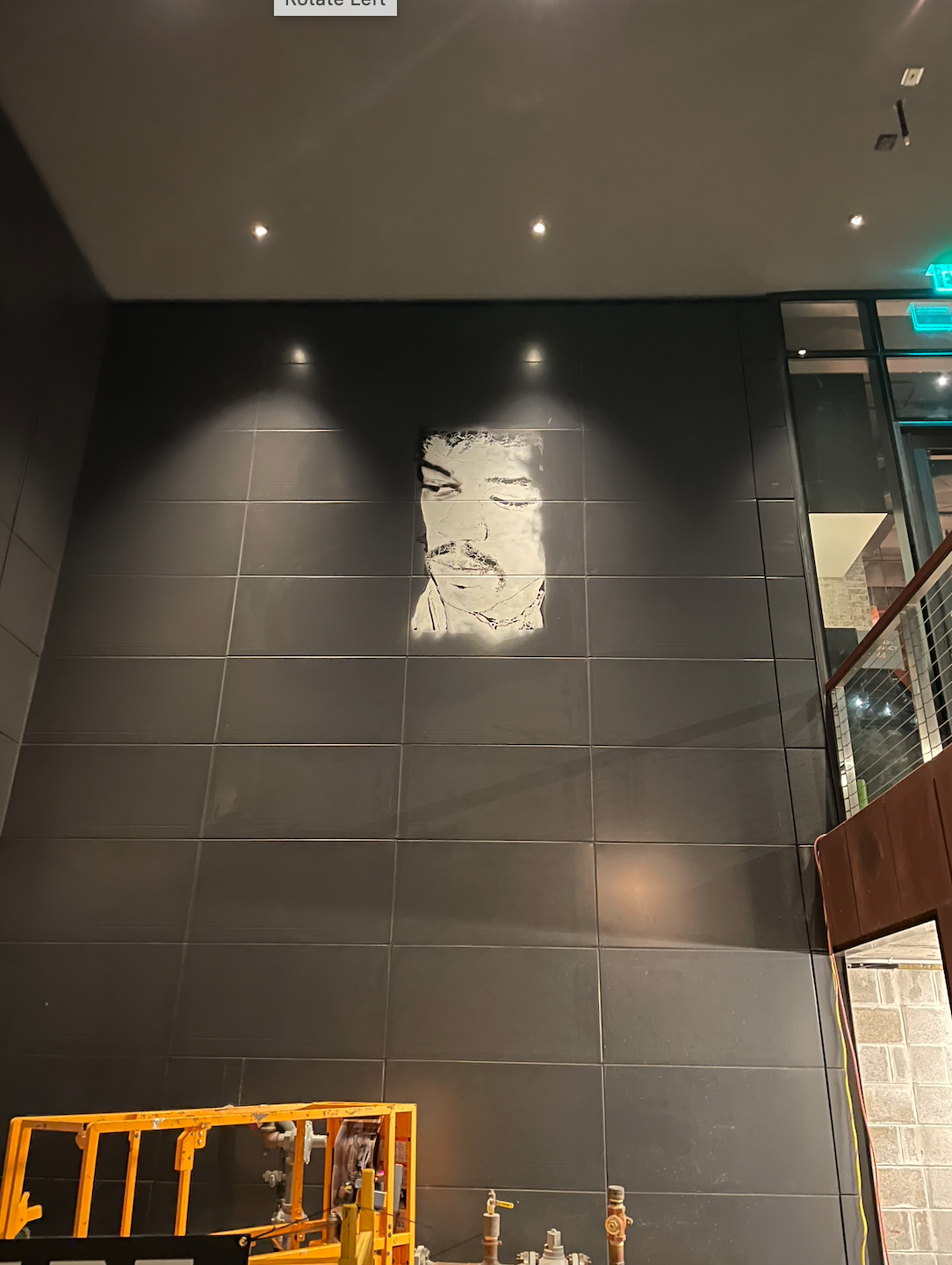
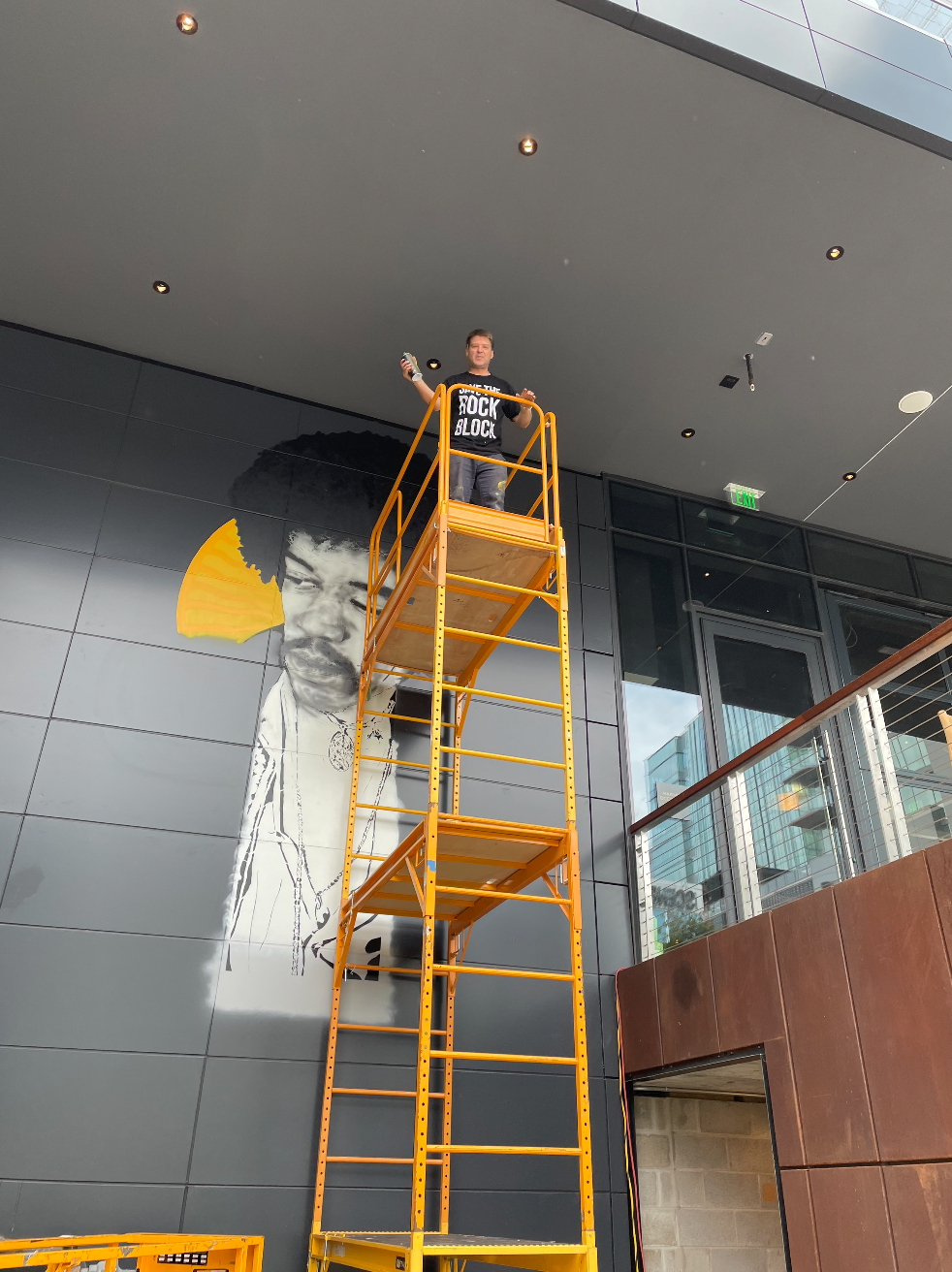
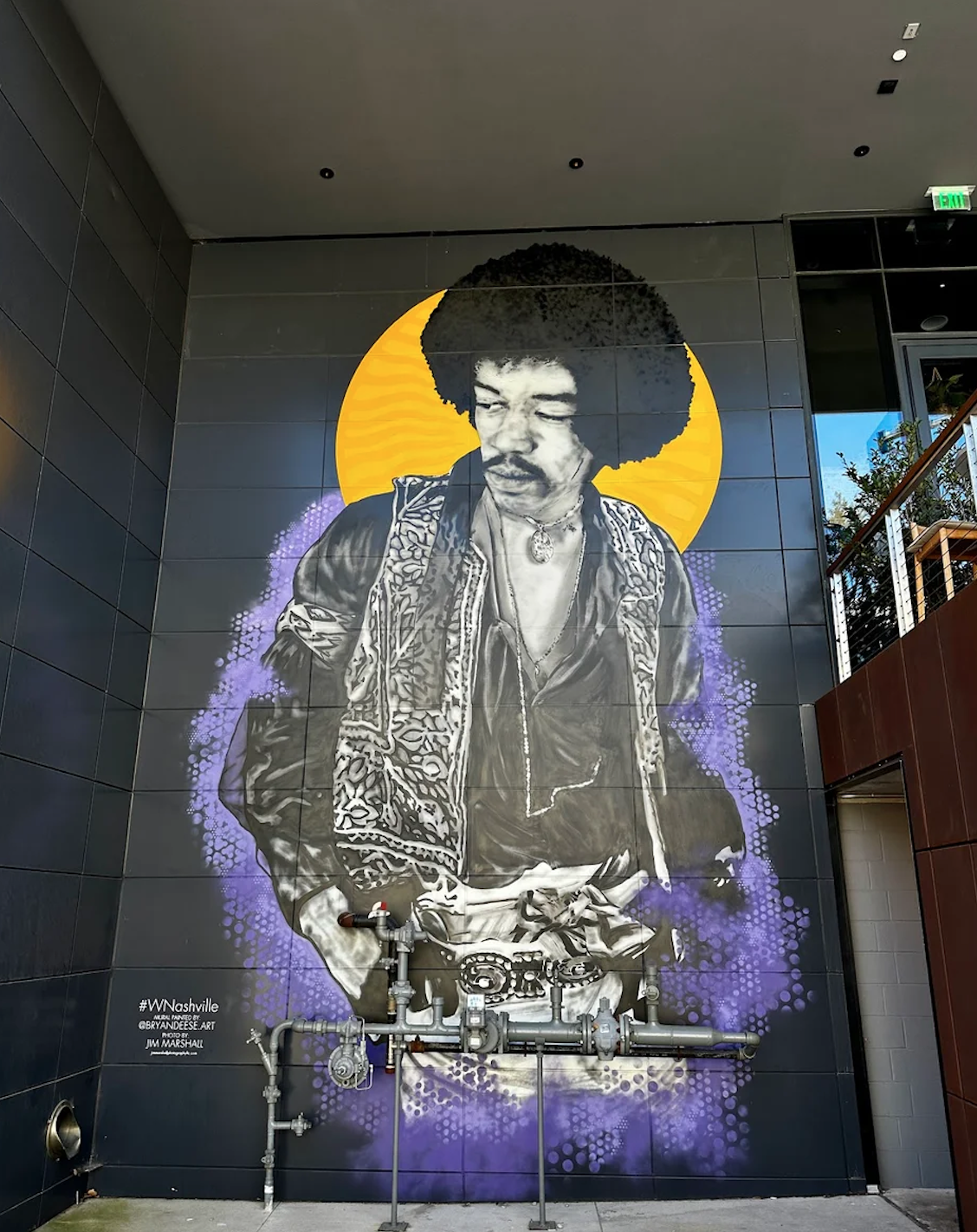
The second opportunity was a utility wall where gas and water lines entered the building, located beside the hotel's primary restaurant terrace. The space was too prominent to ignore. In collaboration with the Jim Marshall Estate and local street artist Bryan Deese, the wall was transformed into a large-scale mural of Jimi Hendrix. The choice was intentional: Hendrix sharpened his craft in Nashville, making him a fitting symbol of the city's deep musical identity. With the pipes and meters hidden in the mural, what was once an eyesore off the terrace became a popular backdrop — a wall that once detracted from the experience now enhanced it.
A hotel's exterior belongs to the street as much as it belongs to the property. When it gives something back — something rooted in local culture and created by local artists — it earns a place within the neighborhood. The spaces that once detracted from the building now pull people toward it. And when a hotel truly belongs to its neighborhood, the neighborhood becomes part of what draws guests in.
